
For most actors, the hard part of a showreel is having nothing to edit. Waiting for “one more scene” can take a year, and meanwhile casting directors have nothing to watch.
Part 2 of our acting showreel series covers how to make a showreel scene when you have no usable footage. Part 1 covered what to put in a reel.
You can combine them. StageMilk, an acting resource, recommends self-tape for anyone starting out or short of money. If you need a camera operator or sound recordist, browse the crew profiles on reCREWt.
A scene with another character is a safer choice than a monologue, because it shows you listening and reacting. Look for good dialogue, a clear relationship and a small change in your character, in about a minute to a minute and a half.
Pick a character you could be cast as now, close to your age and type. Avoid heavy action, accents you do not have and lines that only make sense with the rest of the film. You may trim the dialogue so that the scene stands on its own.
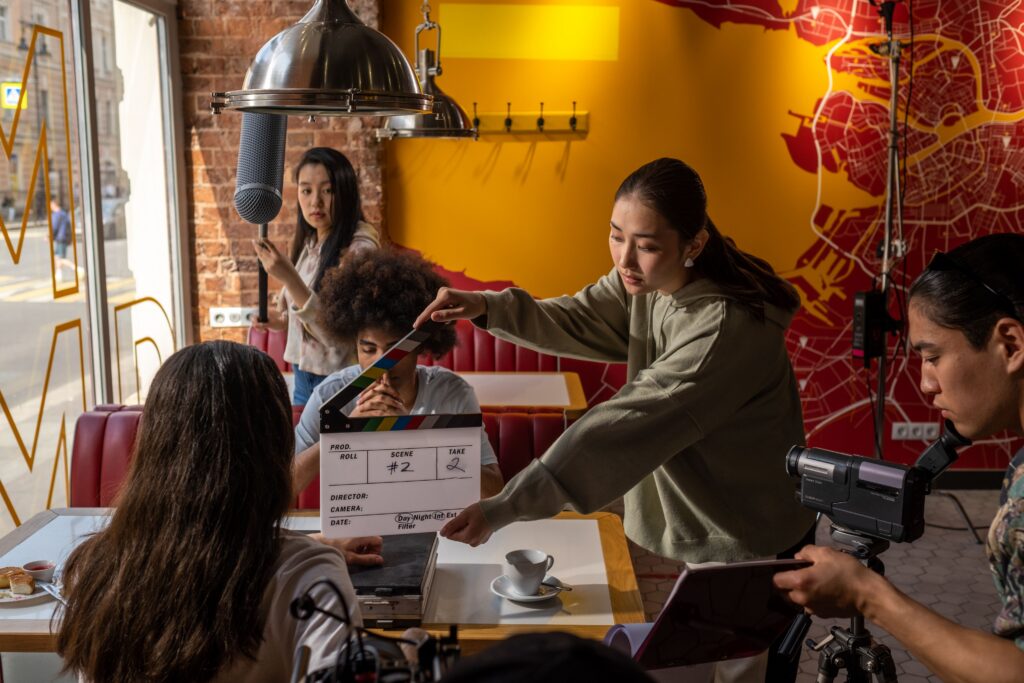
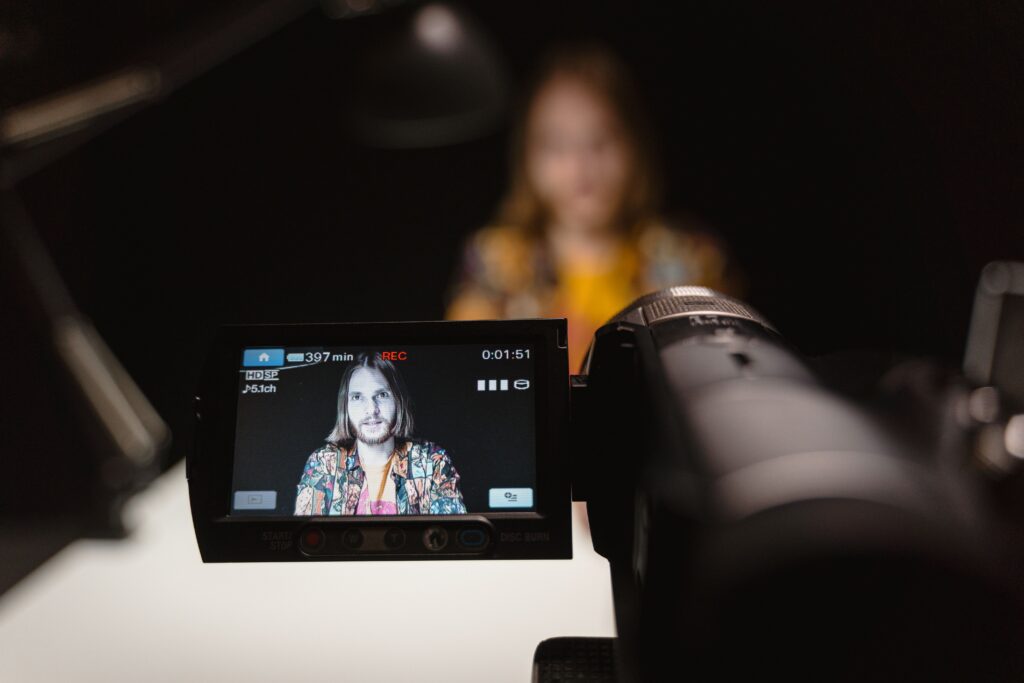

Cast your scene partner as carefully as yourself: a strong actor of the right age and type who pushes you. For a self-tape, the reader sits next to the camera and, as casting director Caroline Liem advises, speaks more quietly than you, because they are closer to the microphone.
Prepare as you would for a booked role. Know what your character wants, what is at stake and what happened before the scene. Rehearse the blocking, and do accent and voice work before the shoot day.
A published script belongs to its writer. Use a script written for showreels, or ask the writer, who may agree in return for a credit. Footage from a production you worked on also needs the producer’s permission, even though you are the one on screen, as Spotlight explains. Finally, ask your scene partner to confirm in writing that you may use the scene.
Part 3 covers editing your scenes into a reel and sharing it.
For a self-tape, yes. Keep it steady at eye level, light your face from the front and keep background noise down. A scene shot with a crew will still look more finished.
It is better not to. A famous scene invites comparison with the original actor, and the script belongs to its writer. Choose lesser-known material, and ask for permission.
Yes, if the production agrees. Ask the director or producer for a copy and for permission to use it in your reel.
About a minute to a minute and a half: long enough to show your character change, and no longer.