
A solo drone operator books the job, flies it, edits it, invoices it and then chases the invoice. That is five jobs for one person, and only one of them involves flying.
If you work alone with your own kit, you run a freelance crew business as well as doing the craft. Part 3 of our crew series covers how to list, quote, manage holds and keep the paperwork in order. Part 1 covered your portfolio and Part 2 your CV.
On reCREWt you list once: under your own name or as your business, not both. Choose by what people hire.
Still unsure? Think of the last five people who booked you. Did they ask for you by name, or for the service?
If you list a freelance crew business, give it a name that says what you do and use it everywhere: profile, quotes, invoices and email. Your logo should still read at thumbnail size. Register on the Get started page.
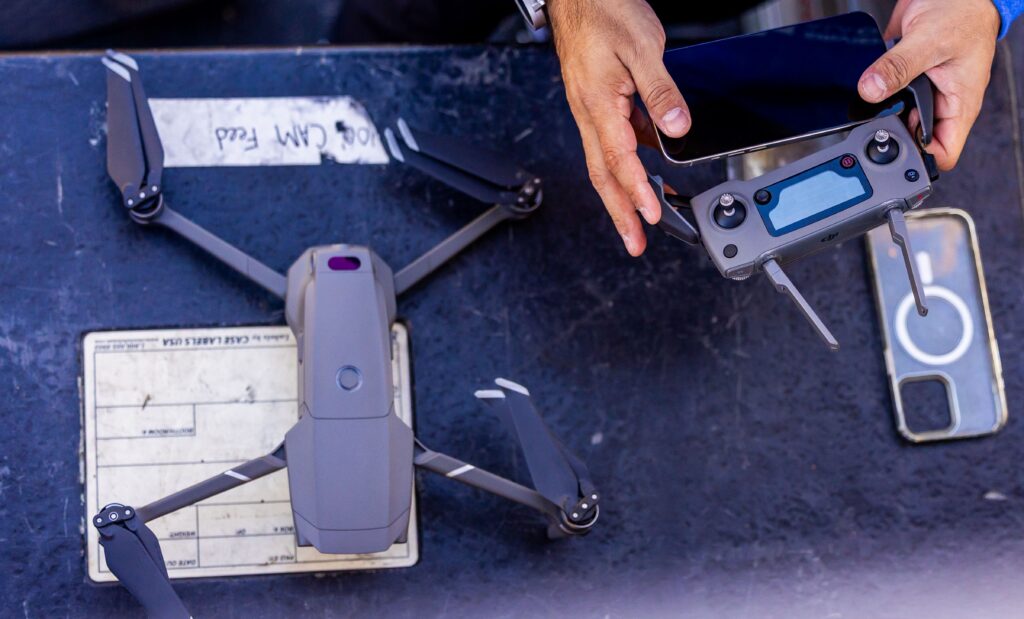


We won’t tell you what to charge. A clean quote spells out each line:
Keep labour and kit apart even when you are the kit. If a day is cut, both lines move and nobody argues.
Terms vary by production, so agree them up front. A common pattern: a first hold gives a client first call on your date, a second hold queues another client, and when the second is ready to book you ask the first to confirm or release. A hold pays nothing; only a confirm does.
Put every hold in writing, keep one calendar, and release dates you know you won’t do.
This is general information, not tax or legal advice. Check the details with SARS, the SACAA or a registered accountant.
No. Choose the one that matches how people hire you. If they ask for you by name, list yourself. If they ask for the service, list the business.
No. You can trade under your own name. Income other than a salary makes you a provisional taxpayer with SARS. An accountant can tell you whether a company is worth it for you.
Follow the hold order. The first hold gets the first chance to confirm, within an agreed time. If they release the date, book the second client.
Only once your taxable turnover passes R2.3 million in 12 months. Below that, registration is voluntary, on conditions SARS sets.